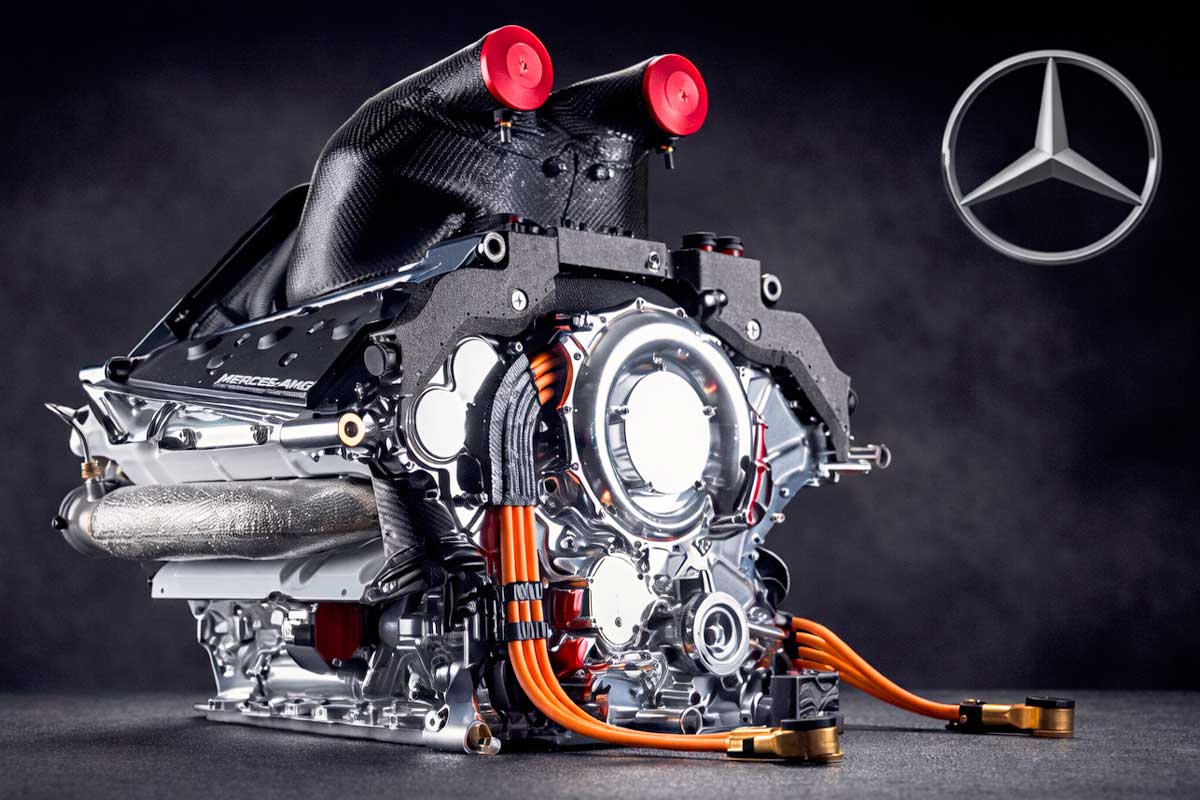
As the countdown to the 2026 Formula 1 season begins, only a month remains before the first race, and the paddock is already buzzing with speculation and tension. The primary focus is on Mercedes and their engine strategy, which has long been a topic of debate among teams, fans, and regulators.
Historically, Mercedes has been known for its technological innovations and dominant performance on the track. However, recent rumors suggest that their engine tactics might be under scrutiny, potentially challenging their perceived advantage. This comes amid broader concerns over the fairness and regulation of engine development within the sport.
Many in the F1 community are questioning whether Mercedes has been pushing the boundaries of the rules, possibly employing tactics that could be considered borderline or even illegal. The issue is compounded by the complex nature of engine regulations, which are designed to promote competition while maintaining safety and fairness.
Officials from the FIA and other governing bodies are reportedly reviewing data and technical details related to Mercedes's engines. If evidence emerges that Mercedes has violated regulations, it could lead to sanctions, penalties, or even disqualification, significantly impacting the championship standings.
Mercedes has yet to publicly comment on these rumors, but team insiders suggest that they are confident in their compliance with all regulations. Nonetheless, the tension persists as other teams and stakeholders watch closely, wary of any advantage that could be gained through questionable tactics.
The upcoming season is expected to be highly competitive, with other manufacturers like Red Bull and Ferrari also vying for supremacy. The potential challenge to Mercedes's engine strategy could reshape the dynamics of the championship, making every race even more critical.
As the season approaches, the focus remains on transparency and adherence to regulations. Fans and analysts alike are eager to see whether Mercedes's engine tactics will stand up to scrutiny or if they will be called into question, potentially altering the landscape of Formula 1 in 2026.
Ultimately, the outcome of this controversy could have lasting implications for the sport, emphasizing the importance of fair play and regulatory oversight in maintaining the integrity of Formula 1 racing.